
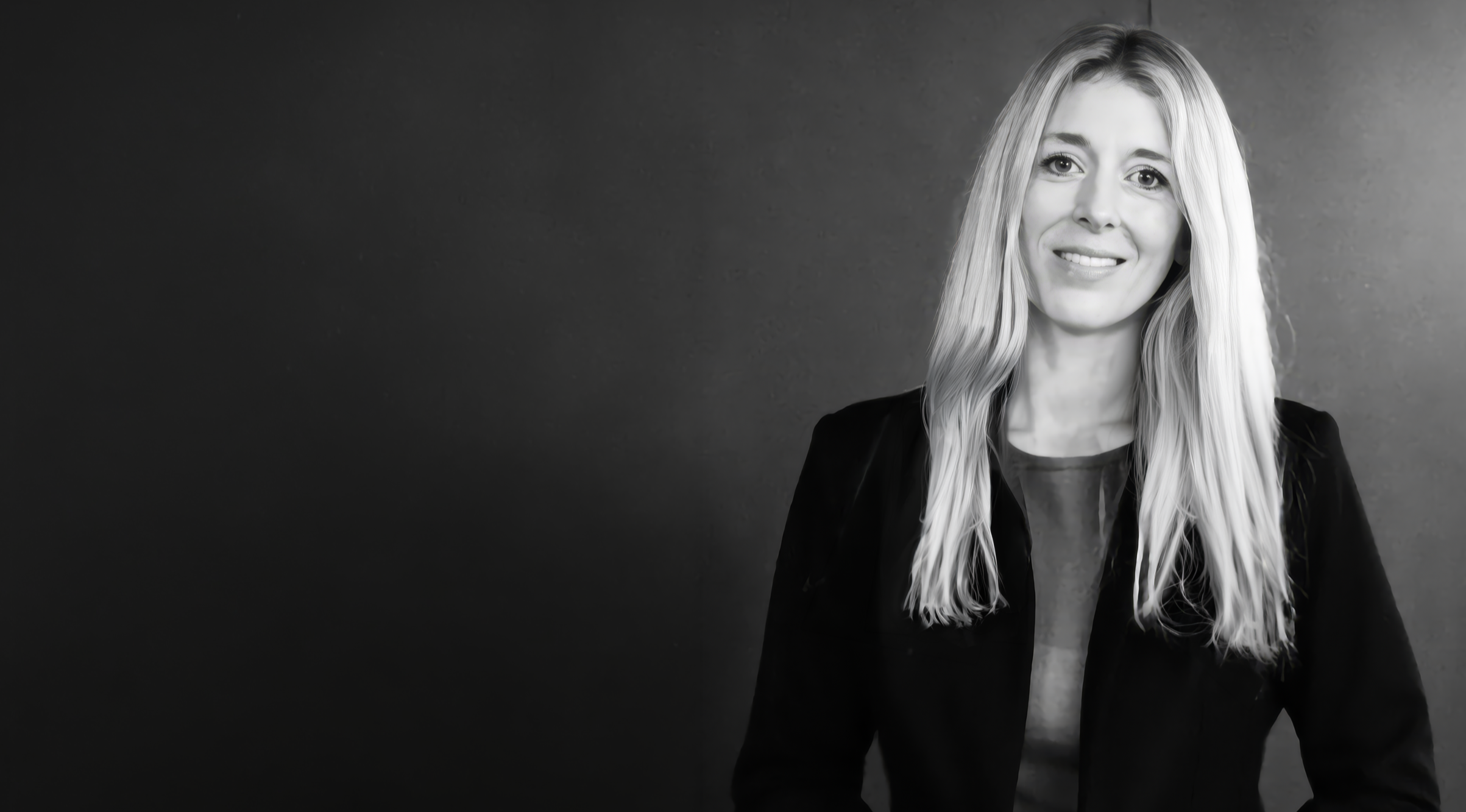

presentsMarina Ansell
authority, earned
Spotlight Takeover
Introducing:
Marina Ansell,
Creative Director.
Creative Director | Fashion & Lifestyle
If you are already marking International Women’s Day 2026 by celebrating the women in your life, consider this a continuation of that narrative.
This moment feels intentional: we’re sharing a creative leader who has spent over two decades breaking the glass ceilings placed in her path - and who shows no intention of stopping now.
She has just joined the Creation Population™.
What makes this conversation feel extraordinary is that this year also marks 25 years since Marina and I graduated from our Fine Art BA Honours Degree at Nottingham Trent University.
In 2001, we stepped into the creative world at a moment when female authorship was asserting itself with renewed confidence.
Tracey Emin’s institutionally recognised, unapologetically confessional work signalled a shift in contemporary art - women no longer requesting space but occupying it. In fashion, sustained creative leadership at houses such as Alexander McQueen would go on to demonstrate that global brands could be steered with strategic, long-term female authority.
And in fashion and picture editorial, one creative was already shaping her own trajectory - strategic, ambitious, and intent on building space rather than waiting for it.
That creative was Marina Ansell.
From Fine Art to Global
Fashion & Brand Reach
Marina’s career as Creative Director spans over two decades at the intersection of fashion, culture and brand.
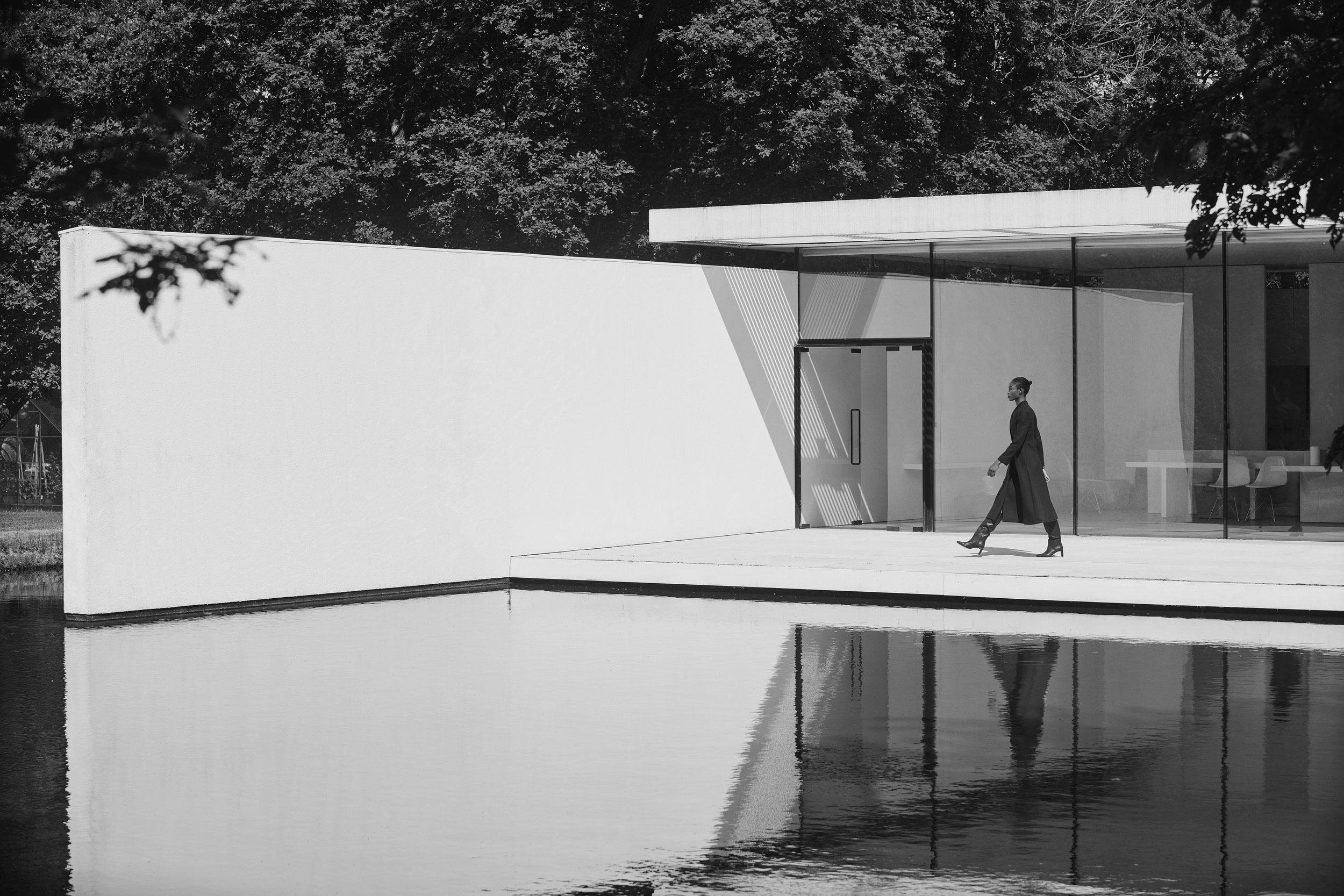
Her early years at ELLE as Photo Director sharpened her editorial discipline, before she went on to shape content and campaigns for ASOS, The Fold and ME+EM.
Across fashion, beauty, sport and music, her work is defined not by trend but by precision - images that feel composed rather than assembled, emotionally intelligent rather than decorative.
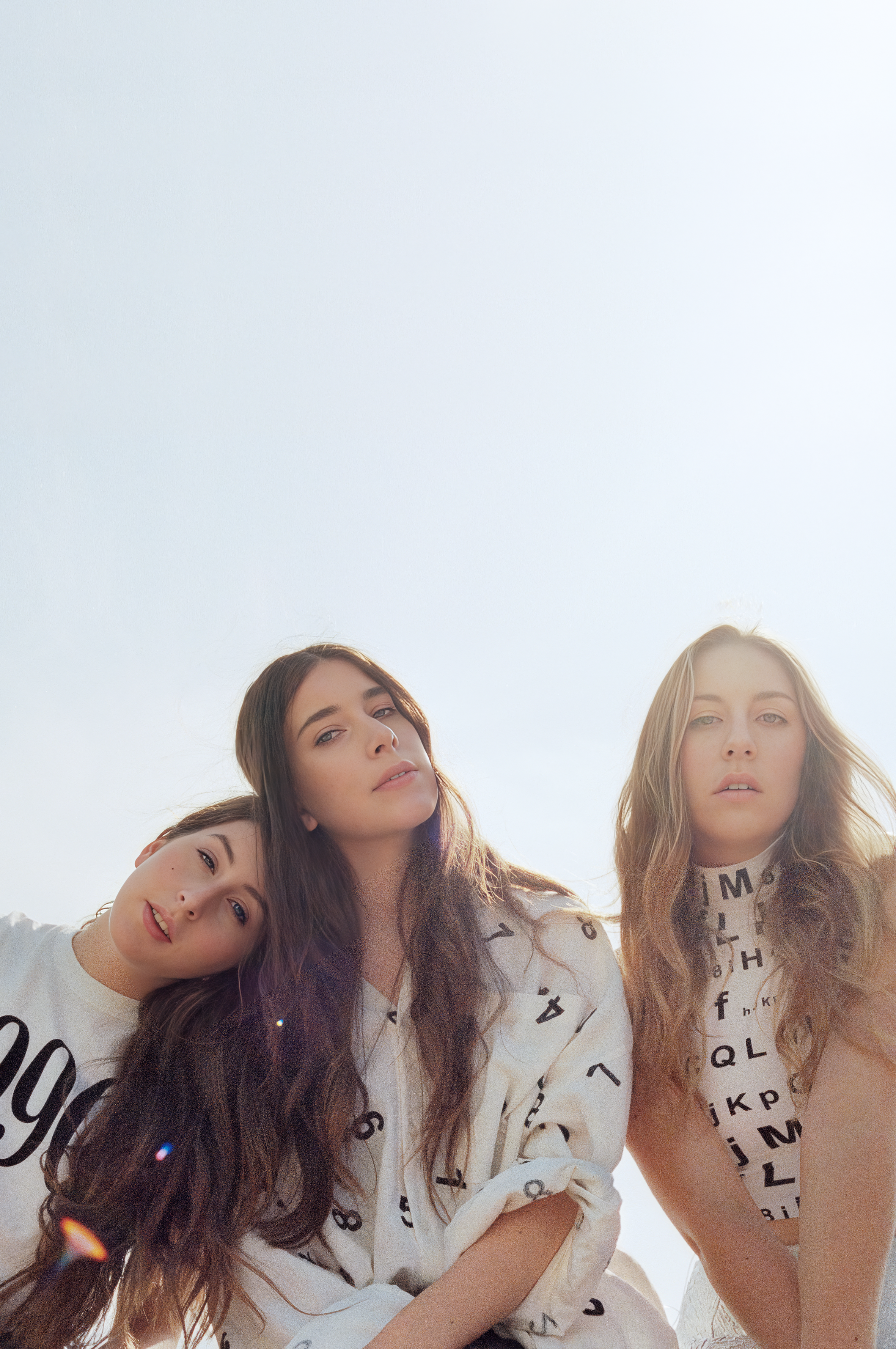
She has led campaigns for Nike, Prada, Tommy Hilfiger and Universal Music, collaborating with cultural figures ranging from
Jennifer Lawrence and Taylor Swift to Stormzy, Little Simz and Courtney Love. The scale international; the execution meticulous.
Her leadership extends from concept through casting, location, post-production and final edit. Nothing ornamental. Nothing accidental.
Authority in an Uneven Industry
To understand the significance of Marina’s ascent, it is worth pausing on the industry she has navigated.
Recent industry reporting continues to highlight the imbalance within creative leadership. Women comprise more than a third of the creative workforce yet remain underrepresented in senior creative leadership roles. Pay disparity persists. Pathways narrow at the top. Industry culture, particularly across fashion and broadcast, continues to grapple with imbalance and behaviour.
Against this backdrop, Marina’s trajectory feels less simply impressive and more structurally significant.
Her rise has not been performative. Nor fleeting. It has been sustained, strategic and earned in environments that do not easily hand over authority.
Premium brands turn to her not for noise, but for discernment. In high-stakes settings where timelines compress and expectations sharpen, she brings clarity - distilling complexity into work that is aesthetically assured and commercially intelligent.
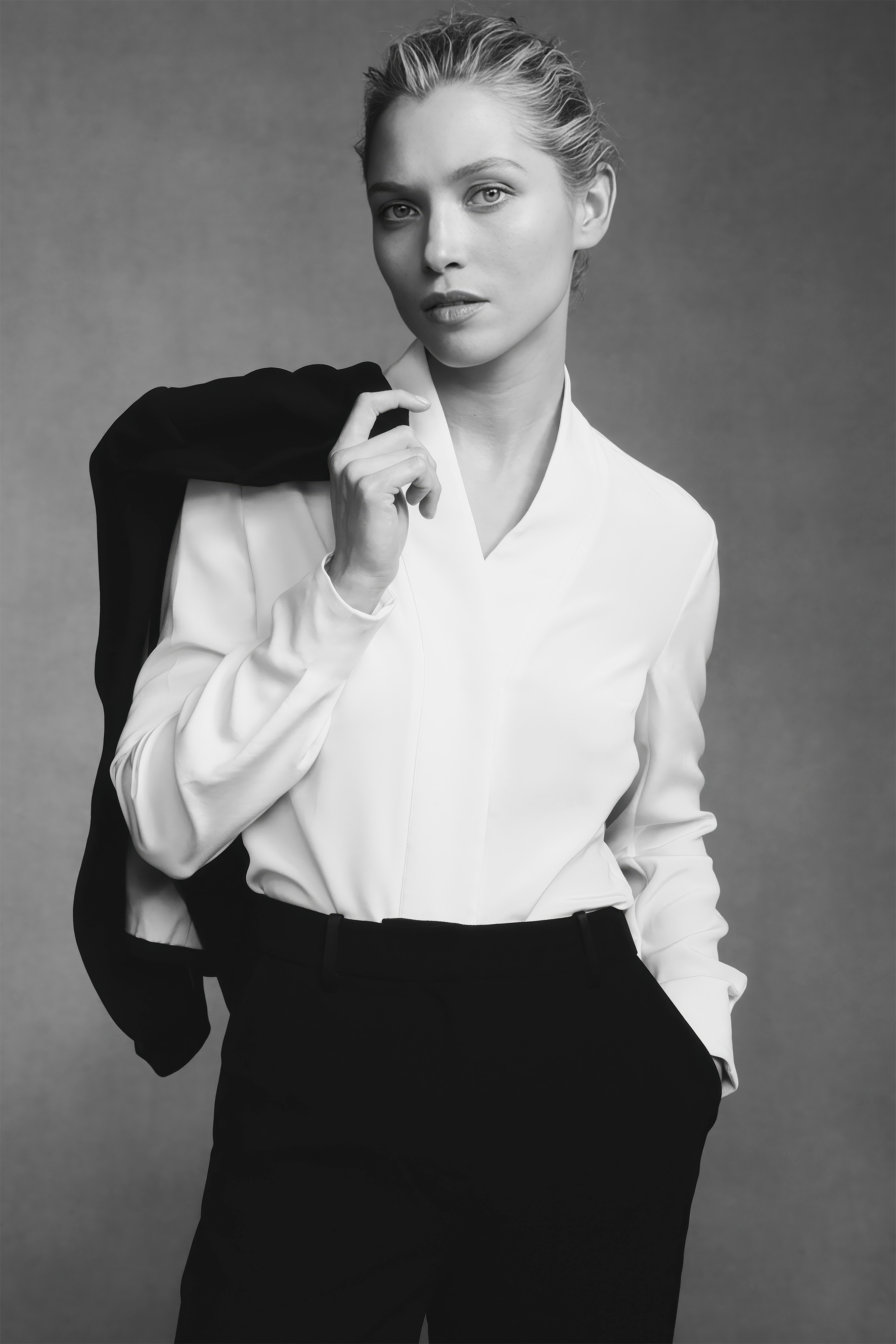
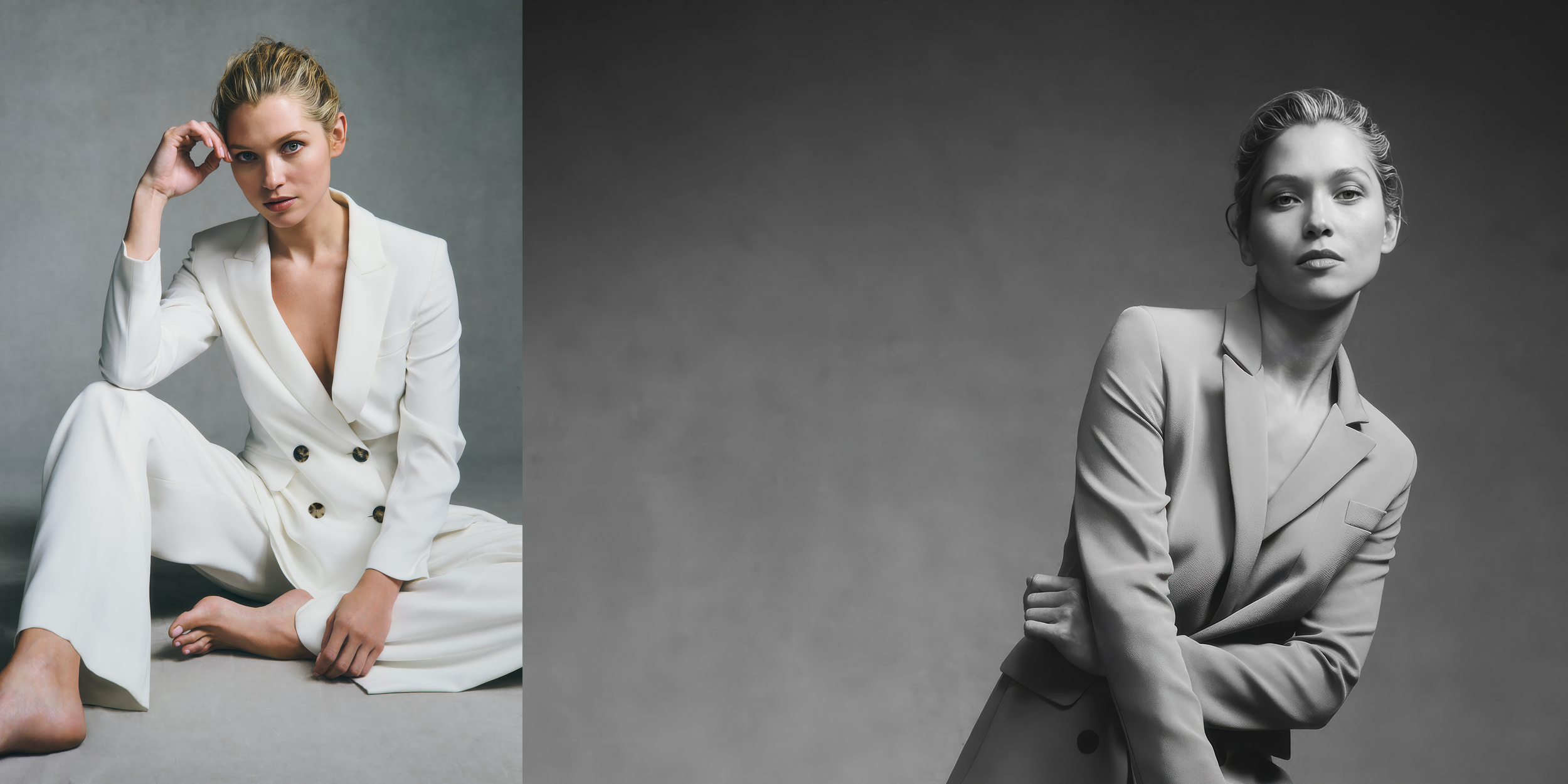
Fashion Beyond: Brand, Culture, Performance
As fashion month has unfolded once again in 2026 - London, Milan, Paris setting the global rhythm - the spotlight falls not only on designers, but on the image-makers translating runway into narrative.
Marina’s instinct was formed first in Fine Art, then sharpened in the pages of the fashion magazines she once devoured. Photographers such as Nick Knight, Tim Walker and Peter Lindbergh shaped her understanding of image as architecture - photography capable of building entire worlds.
That sensibility remains evident in her work today. Campaigns feel constructed, not reactive. Editorial, not algorithmic.
While fashion has been a defining arena of her work, her creative leadership extends well beyond a single sector. Beauty, sport, music and lifestyle brands turn to her for the same clarity of vision - the ability to build coherent visual worlds that translate seamlessly across platforms and markets.
Her experience spans luxury direct-to-consumer brands, editorial environments and performance-led marketing ecosystems. She understands not only how an image should look, but how it must function - commercially, digitally and culturally. In an era where brand narrative must move fluidly between runway, retail and real-time analytics, that fluency is invaluable.
What distinguishes her leadership, however, is less flamboyance than clarity.
“Being honest saves time,” she has said - whether on set, in a boardroom or guiding a creative team through a complex brief. In an industry often criticised for opacity and ego, that directness is quietly radical. It builds trust. It sharpens outcomes.
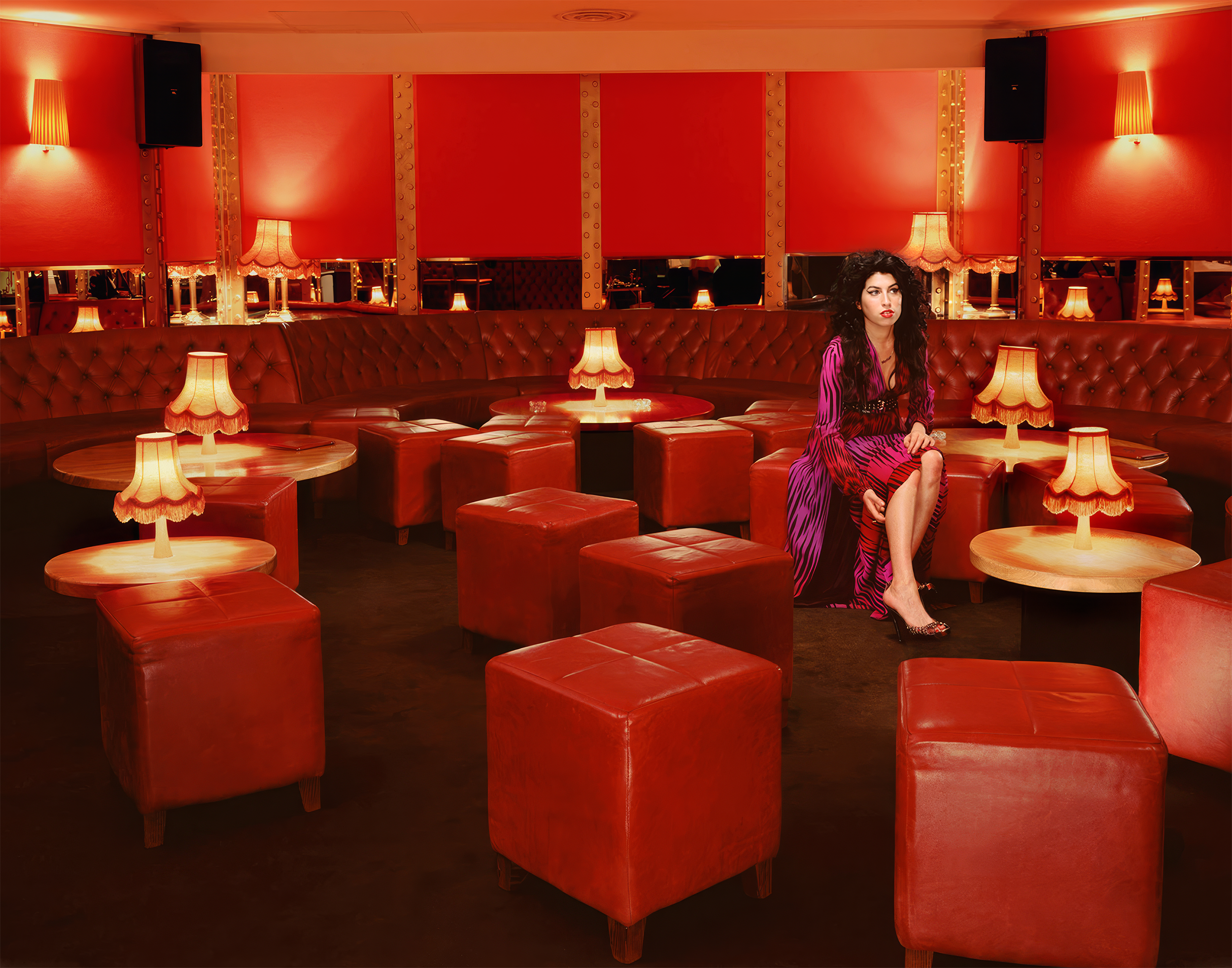
Her proudest projects are not simply celebrity encounters - though directing Courtney Love, or capturing Amy Winehouse for ELLE, with one portrait later acquired by the National Portrait Gallery, remain career-defining moments.
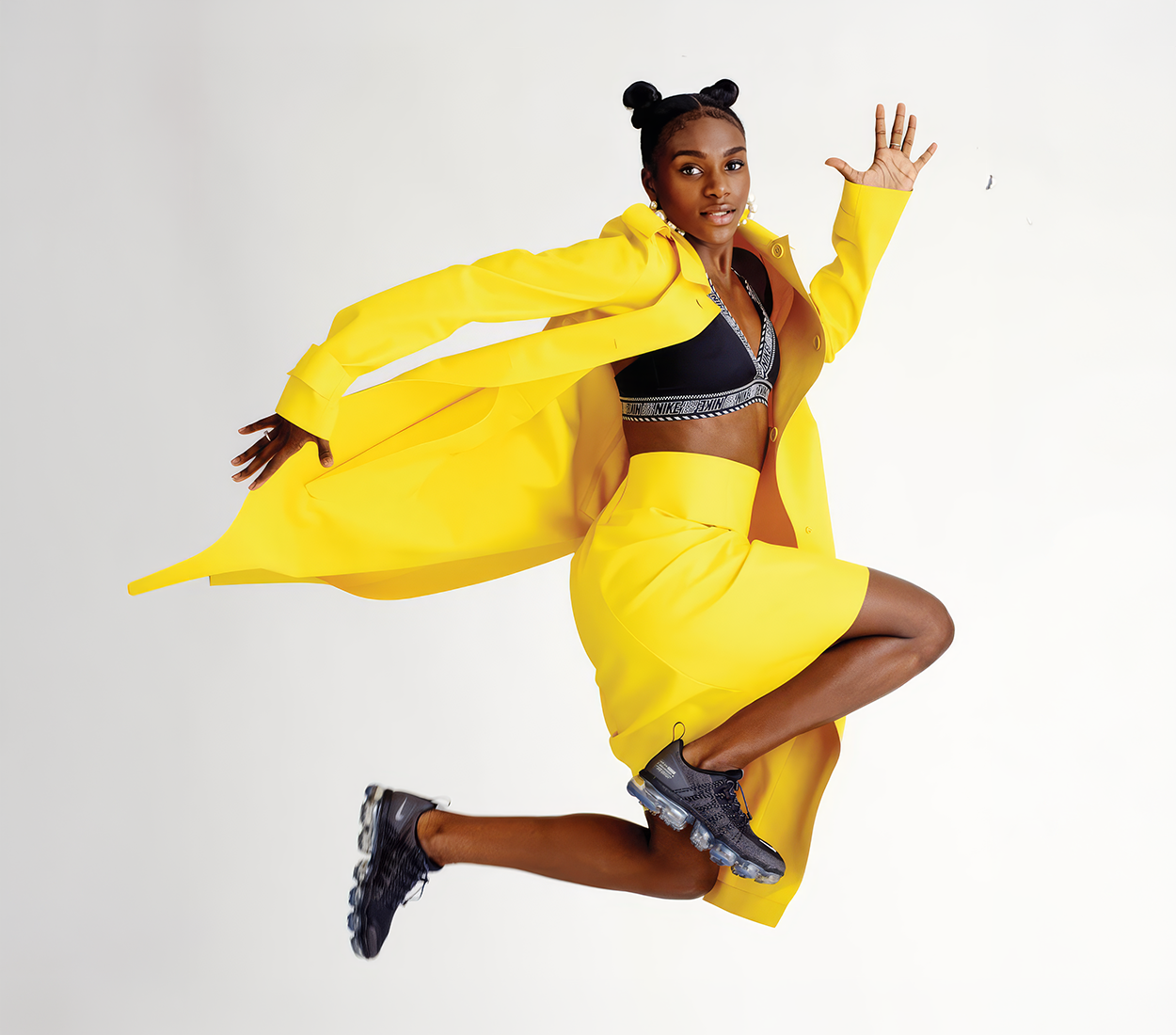
Instead, she points to work that recalibrates representation: directing a shoot featuring thirteen elite female athletes, including Dina Asher-Smith and England captain Leah Williamson, celebrating women performing at the peak of physical excellence.
“bEING HONEST
SAVES TIME.”
Marina Ansell, Creative Director.
The Future of Image-Making
And then there is technology.
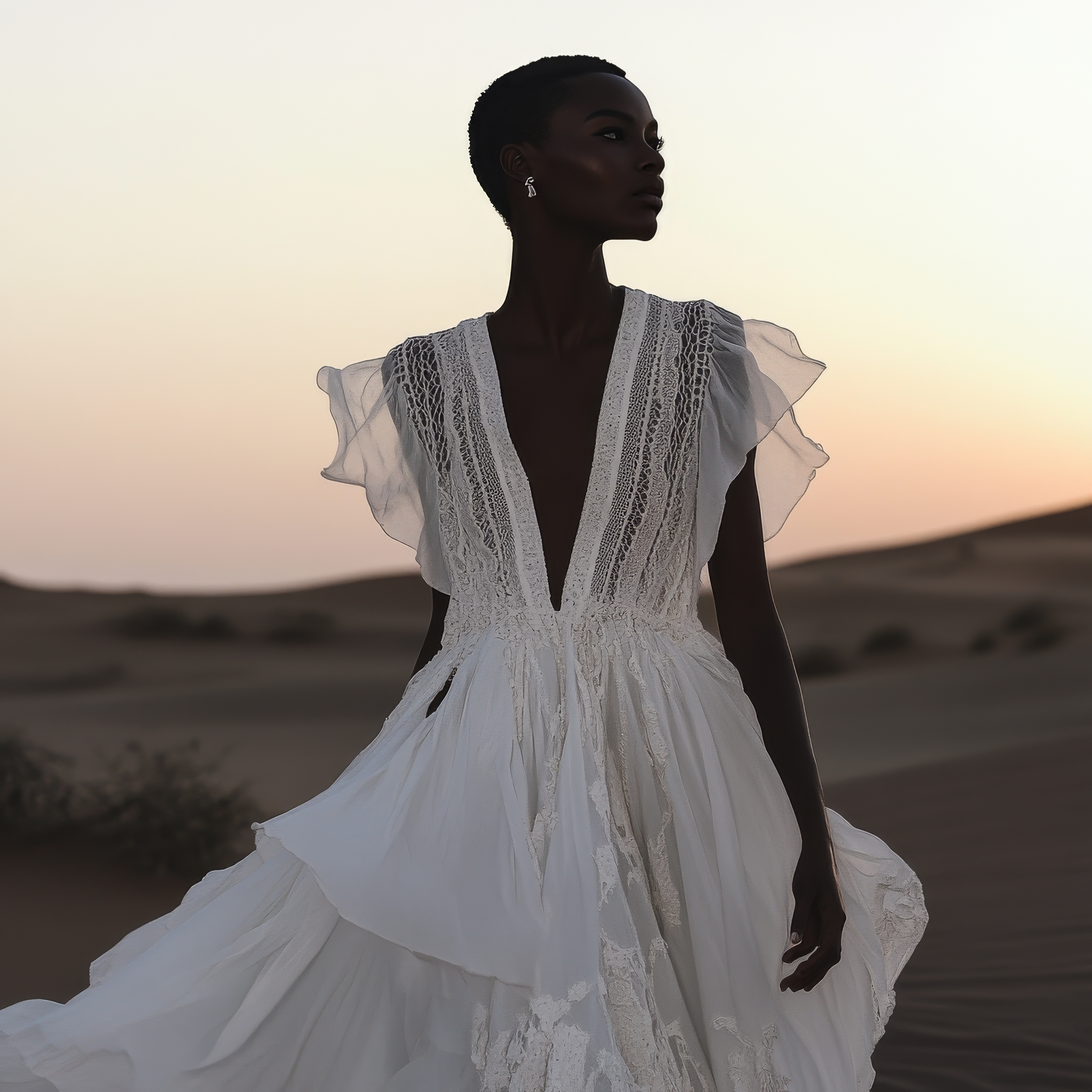
In early 2026, artificial intelligence has shifted from fringe experiment to front-row topic of debate, with fashion week panels and industry publications examining its role in image production. AI-generated fashion imagery is no longer theoretical; brands are integrating it into production workflows, experimenting with scalable visuals and hybrid image environments. Fashion weeks themselves have become arenas for debating how far this shift should go. Marina approaches this landscape with composure.
For her, AI is neither spectacle nor shortcut. It is a tool - one that expands creative possibility without diluting craft. Having already navigated multiple digital evolutions across her career, she understands that the question is not whether technology will reshape image-making, but how thoughtfully it is integrated.
Her advice to emerging creatives is unequivocal: learn it, understand it, master it. The future of image-making will belong to those fluent in both craft and code.
Fashion, after all, has always been about what comes next.
Interested in working with us? Got project that you’d like to discuss? Get in Touch.